Understanding the Global Rice Export Landscape
The international rice trade has evolved significantly, with India maintaining its position as the world’s leading rice exporter. According to recent trade data, India exported approximately 20 million metric tons of rice annually since 2020, accounting for over 35 percent of global rice exports. This dominance stems from a combination of favorable agricultural conditions, advanced processing infrastructure, and strict adherence to quality standards.
For businesses seeking to import rice, understanding what differentiates a reliable Indian rice exporter from others becomes crucial for long-term success. The rice supply chain involves multiple quality checkpoints, from cultivation in specific geographical regions to final packaging and international delivery.
What Defines a Premium Basmati Rice Supplier
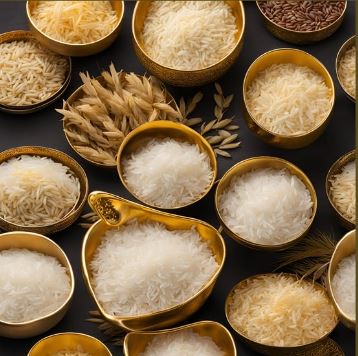
Basmati rice holds a special position in the global market due to its unique characteristics: distinctive aroma, long grain length, and non-sticky texture when cooked. India produces over 70 percent of the world’s basmati rice, with cultivation concentrated in northern states including Punjab, Haryana, Uttar Pradesh, and the Himalayan foothills of Uttarakhand.
A premium basmati rice supplier must demonstrate several key attributes:
Geographical Authenticity
Authentic basmati rice carries a Geographical Indication tag, certifying its origin from designated cultivation regions. This certification protects the integrity of basmati rice and ensures buyers receive genuine products with the characteristic aroma and grain properties.
Quality Parameters Excellence
Export-quality basmati rice must meet stringent parameters. Grain length typically ranges from 7.5 to 8.6 millimeters, with proper aging of one to two years enhancing flavor profiles and reducing stickiness. Moisture content must remain below 16 percent to prevent deterioration during storage and transportation.
International Certification Standards
Reputable exporters maintain multiple certifications including ISO standards, HACCP protocols for food safety, FSSAI approval for Indian food safety compliance, and phytosanitary certificates ensuring pest-free shipments. These certifications provide confidence to international buyers that the rice meets global food safety requirements.
The Journey from Field to International Markets
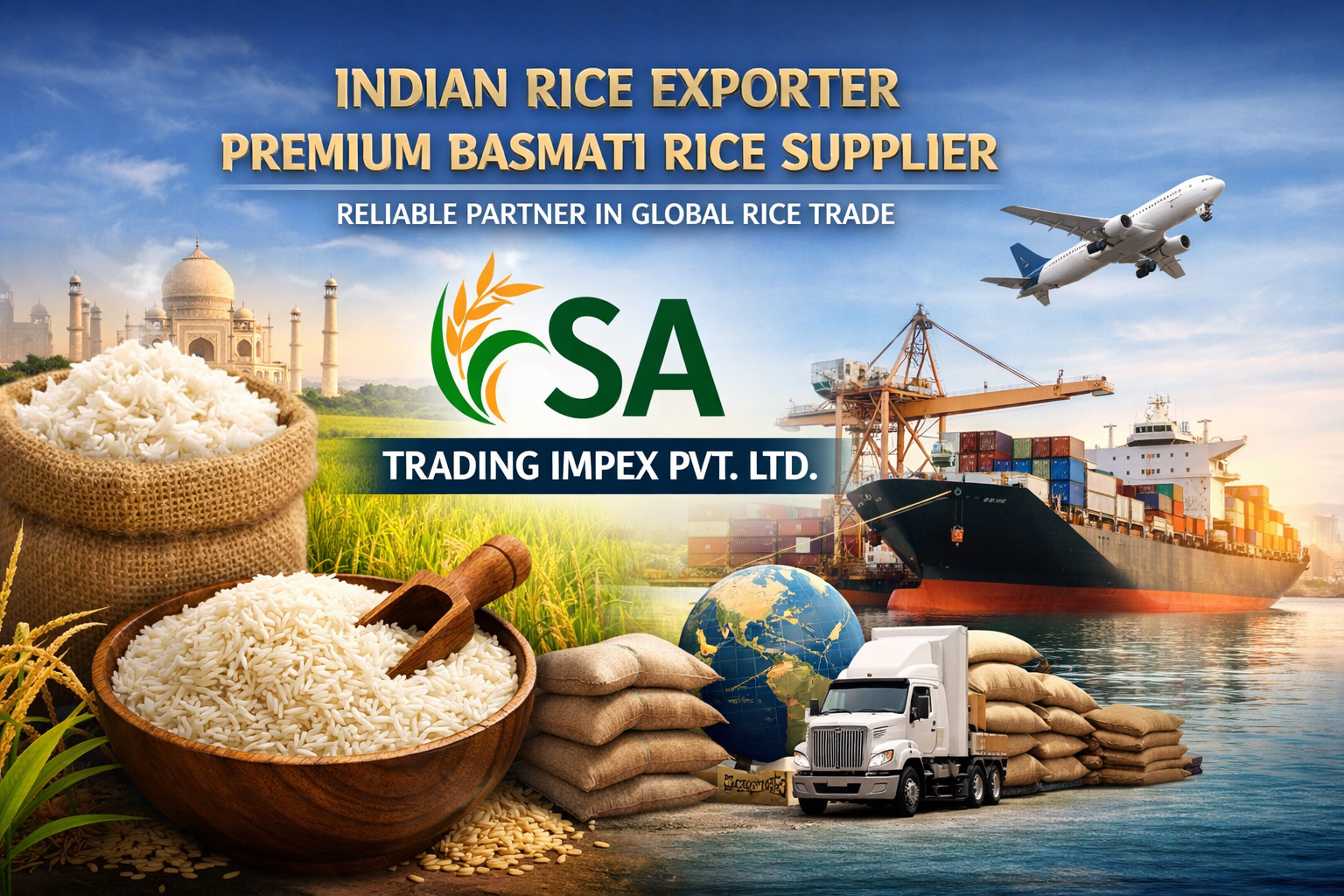
Understanding how a reliable Indian rice exporter operates provides insights into quality assurance processes. The export journey begins with sourcing premium paddy from trusted farming regions, followed by advanced processing in modern mills equipped with state-of-the-art technology.
Processing and Quality Control
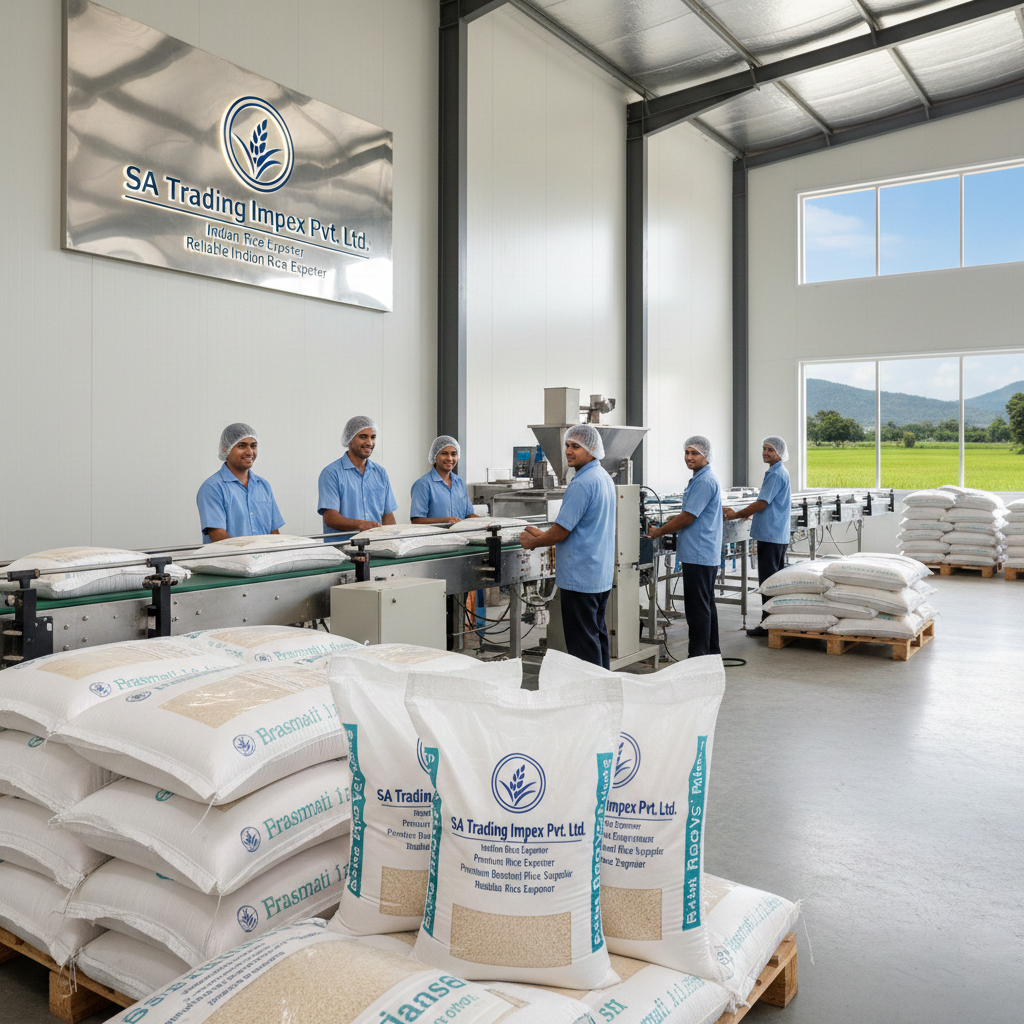
Modern rice mills employ sophisticated cleaning, sorting, and grading systems that remove impurities while preserving the natural goodness of rice grains. Each batch undergoes rigorous quality testing for grain uniformity, aroma intensity, cooking characteristics, and absence of contaminants including pesticide residues and heavy metals.
Packaging and Preservation
Export-grade packaging maintains rice freshness during long-distance transportation. Food-grade materials protect grains from moisture, pests, and physical damage while meeting the labeling requirements of destination countries.
Documentation and Compliance
Professional exporters handle complex documentation including certificates of origin, quality inspection reports, fumigation certificates, and customs paperwork. This ensures smooth clearance at international ports and compliance with importing country regulations.
Key Varieties for International Trade
The Indian rice exporter market offers diverse varieties catering to different culinary preferences and price points across global markets.
Premium Basmati Varieties
- 1121 Basmati Rice: Known for extra-long grains that elongate further during cooking, making it ideal for biryanis and pulaos
- 1509 Basmati Rice: Offers excellent cooking properties with slightly shorter grains, popular in Middle Eastern markets
- 1401 Basmati Rice: Traditional variety with strong aroma and good grain elongation
- 1718 Basmati Rice: Combines affordability with authentic basmati characteristics
Non-Basmati Options
- IR 64 Rice: Long-grain variety widely used for daily consumption across Africa and Middle East
- Sharbati Rice: Medium-grain variety known for its soft texture
- Parboiled Rice: Partially cooked rice retaining more nutrients, popular in several international markets
Quality Standards That Matter
When evaluating a premium basmati rice supplier, importers should examine several quality dimensions beyond basic food safety compliance.
Physical Characteristics
Grain length uniformity, minimal broken grains percentage, and absence of foreign matter indicate proper processing standards. Export-quality rice typically maintains broken grain percentages below three percent.
Cooking Properties
Superior rice demonstrates proper grain elongation during cooking, maintaining a minimum lengthwise expansion ratio. The cooked grains should remain separate, fluffy, and non-sticky while retaining a slight firmness.
Purity and Safety Testing
Comprehensive testing protocols check for pesticide residue levels, heavy metal contamination, mycotoxin presence, and microbial safety. These tests ensure rice meets the stringent requirements of European, North American, and Middle Eastern markets.
Aging Process
Proper aging enhances basmati rice quality significantly. During the aging period, rice develops deeper flavors, improved cooking characteristics, and enhanced aroma profiles that distinguish premium products.
Building Trust Through Consistency
Consistency differentiates a reliable Indian rice exporter from occasional suppliers. Large-scale importers, retail chains, and food service businesses require steady supply chains to maintain inventory levels and customer satisfaction.
Supply Chain Reliability
Established exporters maintain relationships with multiple farming cooperatives and processors, ensuring consistent product availability even during seasonal variations. Advanced storage facilities with climate control prevent quality degradation during off-seasons.
Predictable Quality
Every shipment should meet the same quality standards regardless of order size or season. This consistency requires robust quality control systems and strong relationships with cultivation regions.
Timely Delivery
Professional logistics management ensures shipments reach destination ports on schedule. Delays can disrupt entire supply chains, making reliability a critical factor in supplier selection.
Sustainable Practices in Modern Rice Export
Environmental consciousness increasingly influences purchasing decisions in international markets. Progressive Indian rice exporters adopt sustainable practices throughout their operations.
Eco-Friendly Farming Methods
Supporting farmers who use integrated pest management, water conservation techniques, and organic farming practices reduces environmental impact while maintaining rice quality.
Processing Efficiency
Modern mills incorporate energy-efficient equipment and waste reduction systems. Rice husks and bran generated during milling find use in animal feed, biofuel production, and other applications.
Responsible Sourcing
Direct partnerships with farmer cooperatives ensure fair pricing for cultivators while maintaining quality standards. This approach creates sustainable livelihoods for farming communities.
Regional Export Markets and Preferences
Different geographical regions show distinct preferences for rice varieties and processing types.
Middle East Markets
Countries including Saudi Arabia, UAE, Iraq, and Iran represent major destinations for Indian basmati rice. These markets prefer premium long-grain varieties, particularly 1121 and 1509 basmati, with golden sella processing being highly popular.
African Markets
Nations such as Benin, Nigeria, and Kenya import substantial quantities of both basmati and non-basmati rice. Parboiled rice varieties and broken rice find strong demand due to price considerations and local cooking preferences.
Western Markets
European and North American importers focus on premium basmati varieties, often seeking organic certifications and strict pesticide residue compliance. These markets value authentic flavor profiles and transparent sourcing.
Selecting Your Rice Export Partner
When choosing a premium basmati rice supplier, importers should evaluate several factors beyond price considerations.
Industry Experience
Decades of experience in rice cultivation, processing, and export indicate established relationships with farming communities and understanding of international market requirements.
Infrastructure Investment
Modern processing facilities with advanced sorting, cleaning, and packaging equipment ensure consistent quality. Climate-controlled storage prevents quality deterioration.
Certification Portfolio
Multiple international certifications demonstrate commitment to quality and safety. APEDA registration remains mandatory for rice exporters from India, while ISO and HACCP certifications provide additional quality assurance.
Market Reach
Exporters serving diverse geographical markets demonstrate adaptability to different quality requirements and regulatory frameworks. This experience proves valuable when navigating complex international regulations.
Customer Service Standards
Responsive communication, transparent pricing, and willingness to accommodate specific packaging or documentation requirements indicate customer-focused operations.
The Value of Long-Term Partnerships
Successful rice import businesses build lasting relationships with their reliable Indian rice exporter partners. These relationships provide benefits beyond individual transactions.
Consistent Product Quality
Long-term suppliers understand buyer preferences and maintain consistent quality matching specific requirements. This eliminates the need for frequent quality verification with each shipment.
Flexible Supply Solutions
Established partnerships enable flexible order quantities, customized packaging options, and accommodation of special requirements without premium pricing.
Market Intelligence Sharing
Experienced exporters provide valuable insights about crop conditions, market trends, and regulatory changes affecting international rice trade.
Your Partner in Global Rice Trade
The international rice market demands expertise, infrastructure, and unwavering commitment to quality. Whether sourcing premium basmati varieties for specialty stores or bulk non-basmati rice for food service operations, choosing the right export partner determines business success.
Quality rice export combines agricultural knowledge, processing excellence, and logistics expertise. From the fertile plains where rice grows to international markets where it reaches consumers, every step requires attention to detail and adherence to standards.
For businesses seeking a reliable Indian rice exporter committed to excellence, understanding these quality dimensions, certification requirements, and operational standards provides the foundation for informed supplier selection. The right partnership delivers not just rice shipments, but consistent quality, supply chain reliability, and support for growing your business in international markets.